
57th day of birth
57th day of birth
May 22, 2024, is the 57th day since my birth.
Today Video
Today Execrise
Visual Stimulation: High contrast card display (10 minutes)
Today Story
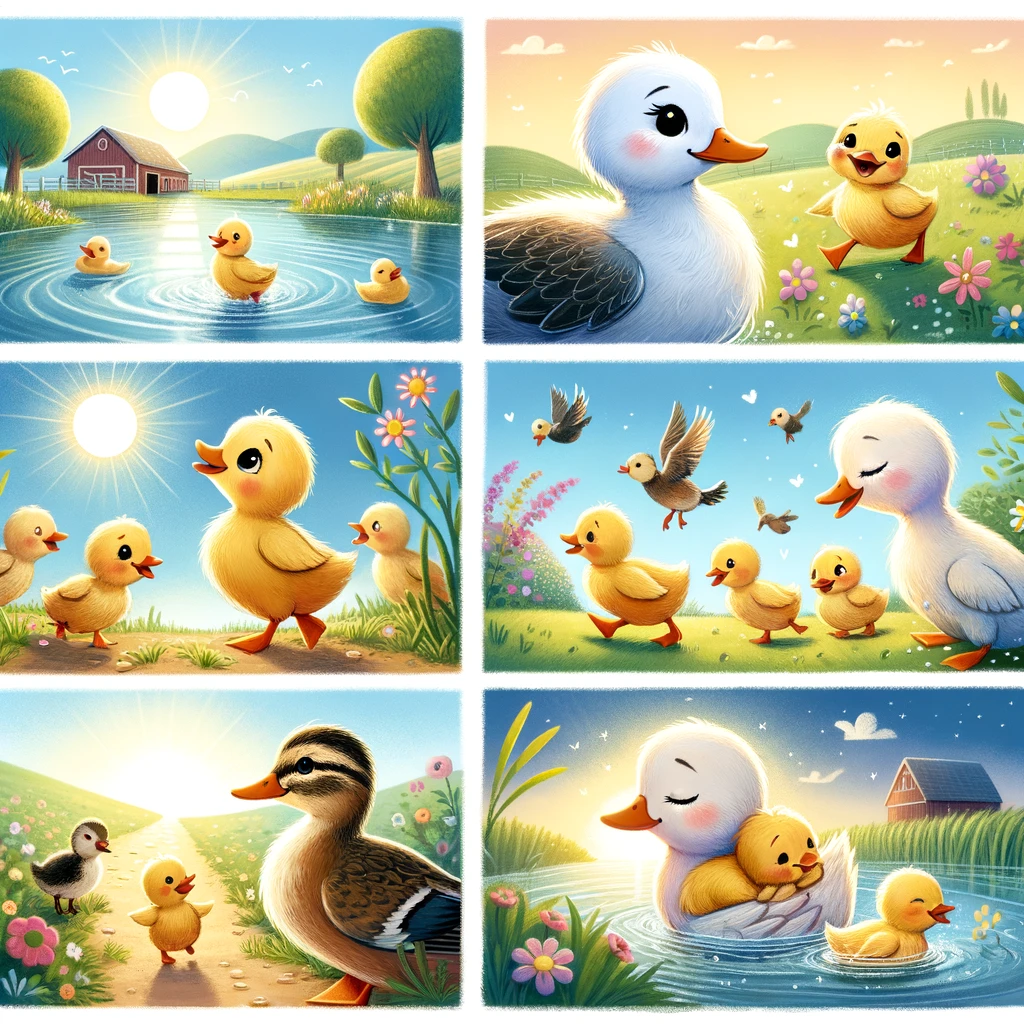
The Little Duckling
Once upon a time, there was a little duckling named Dottie. Dottie lived on a farm with her mother and siblings. Every day, they would waddle around the pond, splashing in the water and chasing insects.
One sunny morning, while exploring the farm, Dottie got separated from her family. She felt scared and lonely. But then she heard her mother quacking in the distance. Following the sound, Dottie quickly found her way back to her family.
From that day on, Dottie never strayed too far from her mother’s side. She learned that as long as she stayed close, she would always be safe and loved.
Detailed Daily Plan for Weeks 9-12
Overall Goal: Through a series of rich sensory, motor, and cognitive activities, help the baby gradually recognize the surrounding environment and enhance sensory experiences.
Week 9
Monday
- Morning:
- Visual Stimulation: High contrast card display (10 minutes)
- Auditory Stimulation: Listening to soft music (10 minutes)
- Noon:
- Tactile Stimulation: Touching different textured fabrics (15 minutes)
- Parent-Child Interaction: Parent-child touch, smiles, and eye contact (15 minutes)
- Afternoon:
- Motor Development: Practicing rolling over on a soft mat (15 minutes)
- Cognitive Activity: Simple object permanence game (10 minutes)
Tuesday
- Morning:
- Visual Stimulation: Observing light and shadow changes (10 minutes)
- Auditory Stimulation: Listening to a simple story narrated by a parent (10 minutes)
- Noon:
- Tactile Stimulation: Using tactile books (15 minutes)
- Parent-Child Interaction: Singing simple lullabies (15 minutes)
- Afternoon:
- Motor Development: Parent-assisted tummy time practice (15 minutes)
- Cognitive Activity: Playing peekaboo (10 minutes)
Wednesday
- Morning:
- Visual Stimulation: Observing colorful cards (10 minutes)
- Auditory Stimulation: Listening to natural sounds like birds chirping (10 minutes)
- Noon:
- Tactile Stimulation: Touching various toys (15 minutes)
- Parent-Child Interaction: Finger games like "Itsy Bitsy Spider" (15 minutes)
- Afternoon:
- Motor Development: Crawling practice on a play mat (15 minutes)
- Cognitive Activity: Observing themselves in a mirror (10 minutes)
Thursday
- Morning:
- Visual Stimulation: Watching bright colors (10 minutes)
- Auditory Stimulation: Listening to different types of music (10 minutes)
- Noon:
- Tactile Stimulation: Massage and touch (15 minutes)
- Parent-Child Interaction: Parent-child conversation and smiles (15 minutes)
- Afternoon:
- Motor Development: Parent-supported sitting practice (15 minutes)
- Cognitive Activity: Mimicking parent's facial expressions (10 minutes)
Friday
- Morning:
- Visual Stimulation: Hanging wind chimes or moving toys (10 minutes)
- Auditory Stimulation: Mimicking different sounds (10 minutes)
- Noon:
- Tactile Stimulation: Using tactile books to explore different textures (15 minutes)
- Parent-Child Interaction: Clap-along songs and simple dances (15 minutes)
- Afternoon:
- Motor Development: Grasping toys, practicing grip and shake (15 minutes)
- Cognitive Activity: Object permanence game, like covering a toy with a cloth and uncovering it (10 minutes)
Saturday
- Morning:
- Visual Stimulation: Observing and describing the outdoor environment (10 minutes)
- Auditory Stimulation: Listening to a parent describe the surroundings (10 minutes)
- Noon:
- Tactile Stimulation: Touching outdoor flowers and trees (15 minutes)
- Parent-Child Interaction: Outdoor interactive play, parent-child walks (15 minutes)
- Afternoon:
- Motor Development: Crawling and grasping toys on a play mat (15 minutes)
- Cognitive Activity: Observing and exploring new toys (10 minutes)
Sunday
- Morning:
- Visual Stimulation: Observing colorful cards and learning colors (10 minutes)
- Auditory Stimulation: Listening to simple nursery rhymes and music (10 minutes)
- Noon:
- Tactile Stimulation: Touching and feeling different textured fabrics (15 minutes)
- Parent-Child Interaction: Parent-child games, smiles, and eye contact (15 minutes)
- Afternoon:
- Motor Development: Parent-assisted rolling over and sitting practice (15 minutes)
- Cognitive Activity: Finger games like "Itsy Bitsy Spider" (10 minutes)
Week 10
Monday to Sunday
- The daily schedule is similar to Week 9, but you can adjust the activities and times as needed, introducing new stimuli and interactions, such as new toys and varying the order of activities to keep the baby engaged and interested.
Week 11
Monday to Sunday
- Morning:
- Visual Stimulation: Displaying different high contrast cards each day (10 minutes)
- Auditory Stimulation: Playing different types of music and sounds (10 minutes)
- Noon:
- Tactile Stimulation: Introducing new tactile materials, such as soft cloths and plush toys (15 minutes)
- Parent-Child Interaction: Varying parent-child interaction methods daily, such as storytelling, singing, and finger games (15 minutes)
- Afternoon:
- Motor Development: Practicing different motor skills daily, such as rolling over, tummy time, and crawling (15 minutes)
- Cognitive Activity: Object permanence games and simple mirror games (10 minutes)
Week 12
Monday to Sunday
- Morning:
- Visual Stimulation: Observing and describing different natural objects daily (10 minutes)
- Auditory Stimulation: Parents talking with the baby, describing the surroundings (10 minutes)
- Noon:
- Tactile Stimulation: Providing new tactile experiences, such as water toys and different textured toys (15 minutes)
- Parent-Child Interaction: Outdoor parent-child activities, exploring the natural environment (15 minutes)
- Afternoon:
- Motor Development: Continuing to practice crawling and sitting, trying new motor challenges (15 minutes)
- Cognitive Activity: Observing and mimicking parent's facial expressions and actions (10 minutes)
Each week's plan can be adjusted based on the baby's interests and developmental progress, ensuring a variety of age-appropriate activities that promote comprehensive development in sensory, motor, cognitive, and emotional areas.